
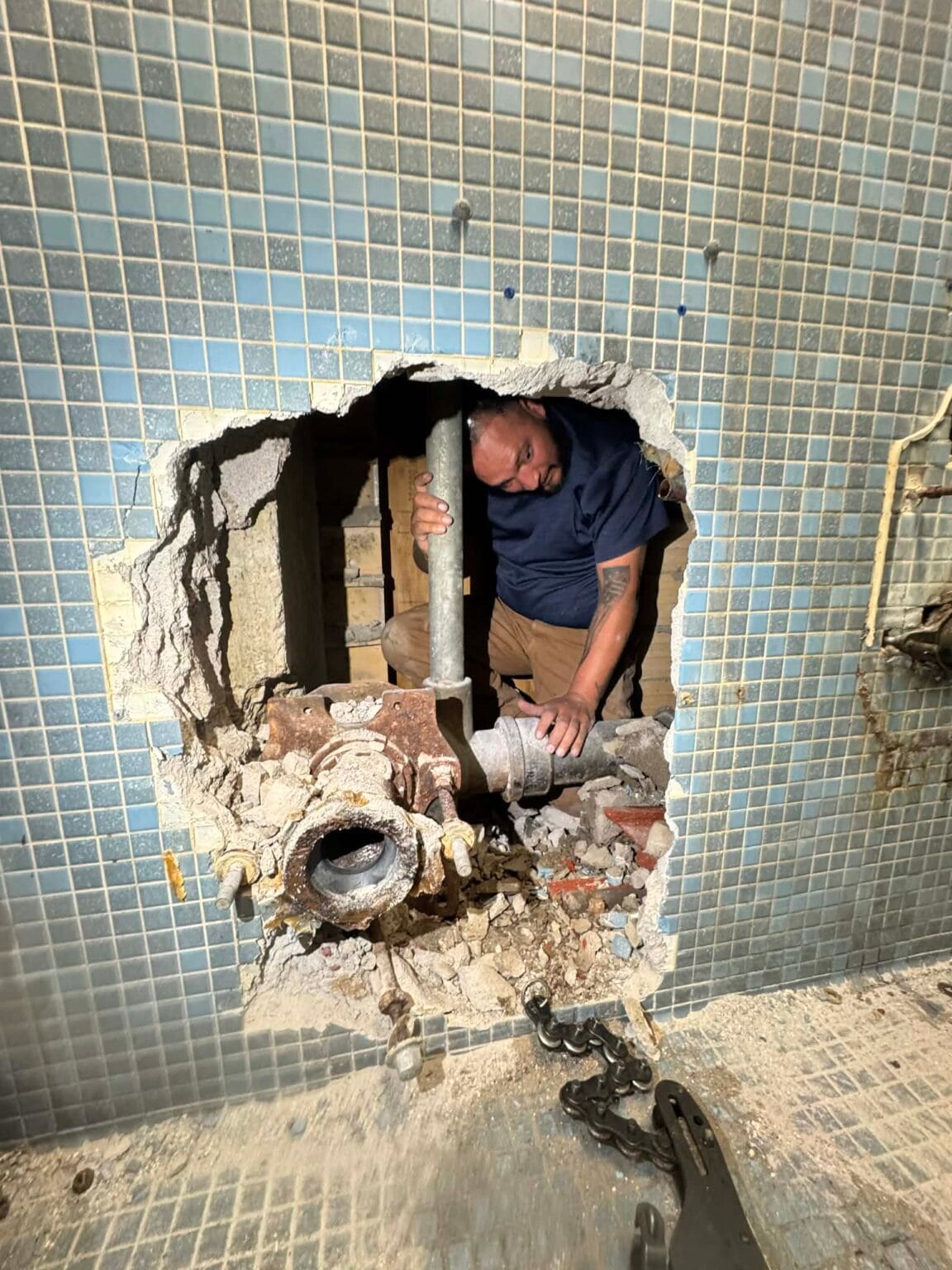
Sewer Scope Found a Problem? How to Get the Seller to Pay for Sewer Repairs
Your sewer scope came back with roots, a sag, or a cracked section — and now you're in the middle of a home purchase with a deadline. The good news: a documented sewer problem is one of the most negotiable inspection findings there is. Here's how buyers, sellers, and agents typically handle it in Colorado.
Note: This article is general information, not legal advice. Your real estate agent or attorney can tell you exactly what your contract allows and when.
Step 1: Confirm What the Scope Actually Shows
Before negotiating, be sure of the problem. A clear scope report should include video, the pipe material, the type of defect, and the distance from the cleanout to each issue. If the findings are unclear, a second sewer camera inspection can confirm whether you're looking at a blockage that cleaning can clear or real structural damage.
Step 2: Know Whose Pipe It Is
In Denver, the property owner is generally responsible for the sewer line all the way to the public main — including any section under the street. If you buy the home, that responsibility becomes yours. (Details: who pays for a broken sewer line in Denver.)
Step 3: Get a Written Estimate
A request backed by a written estimate is far stronger than "the sewer looks bad." Ask for an estimate that breaks out the scope of work, the repair location, permits, and restoration. If the repair is under a street, expect separate permit and restoration costs — see Denver sewer repair permits.
Step 4: Choose What to Ask For
| Option | Pros | Watch out for |
|---|---|---|
| Seller completes the repair | Problem is fixed before closing | You don't choose the contractor; ask for footage and permit proof |
| Credit at closing | You control the contractor and quality | Lender limits on credits may apply |
| Price reduction | Lowers your purchase price | You pay for the repair after closing |
Step 5: Submit Before the Deadline
Colorado purchase contracts include inspection and objection deadlines. Missing them can limit your options, so book the sewer scope early and give your agent the footage and estimate as soon as you have them.
For Sellers: Get Ahead of It
- Consider a pre-listing sewer scope so there are no surprises mid-contract.
- If roots or buildup are found, sewer rodding and cleaning may resolve the issue before listing.
- Talk with your agent about what you're required to disclose.
For Agents: A Neutral, Documented Second Opinion
When a deal hinges on a sewer finding, both sides benefit from clear footage and measured distances. We provide camera documentation you can share with the other party so the negotiation is based on facts.
Common Mistakes Buyers Make
- Scheduling the scope too late and running out of time before the objection deadline.
- Asking for a fix without an estimate, which makes the request easy to dismiss or lowball.
- Accepting a seller repair without proof — always ask for post-repair footage and permit documentation.
- Assuming the city will pay for a break under the street. In Denver, the homeowner is usually responsible.
- Overreacting to minor findings. Light roots or buildup may be solved with cleaning, so confirm severity before walking away from a home you love.
Serving Buyers and Sellers Across the Denver Metro
Imperial Plumbing LLC is based in Centennial and works across the Denver metro, including:
Frequently Asked Questions
Can I ask the seller to pay for sewer line repairs?
Usually, yes. In Colorado, buyers typically raise inspection issues through the objection process in their purchase contract. You can request a repair, a credit, or a price reduction, and the seller can accept, decline, or counter.
Is a repair or a credit better for the buyer?
A credit or price reduction lets you choose the contractor and control the quality of the work. A seller-completed repair can be faster, but you should ask for documentation and post-repair camera footage.
What evidence should I include with my request?
Include the sewer scope video, a summary of the defects with their distances from the cleanout, and at least one written repair estimate. Clear evidence makes requests more persuasive.
Do sellers have to disclose known sewer problems?
Sellers are generally expected to disclose known material defects on their disclosure forms. Talk with your real estate agent or attorney about the specific disclosure requirements that apply to your sale.
Should the seller's repair be inspected afterward?
Yes. Ask for a post-repair camera inspection or the footage from the contractor, plus proof of any required permit and inspection.
Keep Reading
 Does Homeowners Insurance Cover Sewer Line Replacement in Colorado?Read article →
 Sewer Scope Inspections for Denver Home Buyers: Why You Should Scope Before ClosingRead article →
 Denver Sewer Repair Permits: What Homeowners Need to Know Before DiggingRead article →
Book Your Plumbing Service Today
Tell us what's going on and our licensed Denver Metro plumbers will get back to you fast — usually within the hour.
- $79 In-Home Visit — Waived With Work
- Licensed & Insured · 20+ Years Experience
- Upfront, Transparent Pricing