
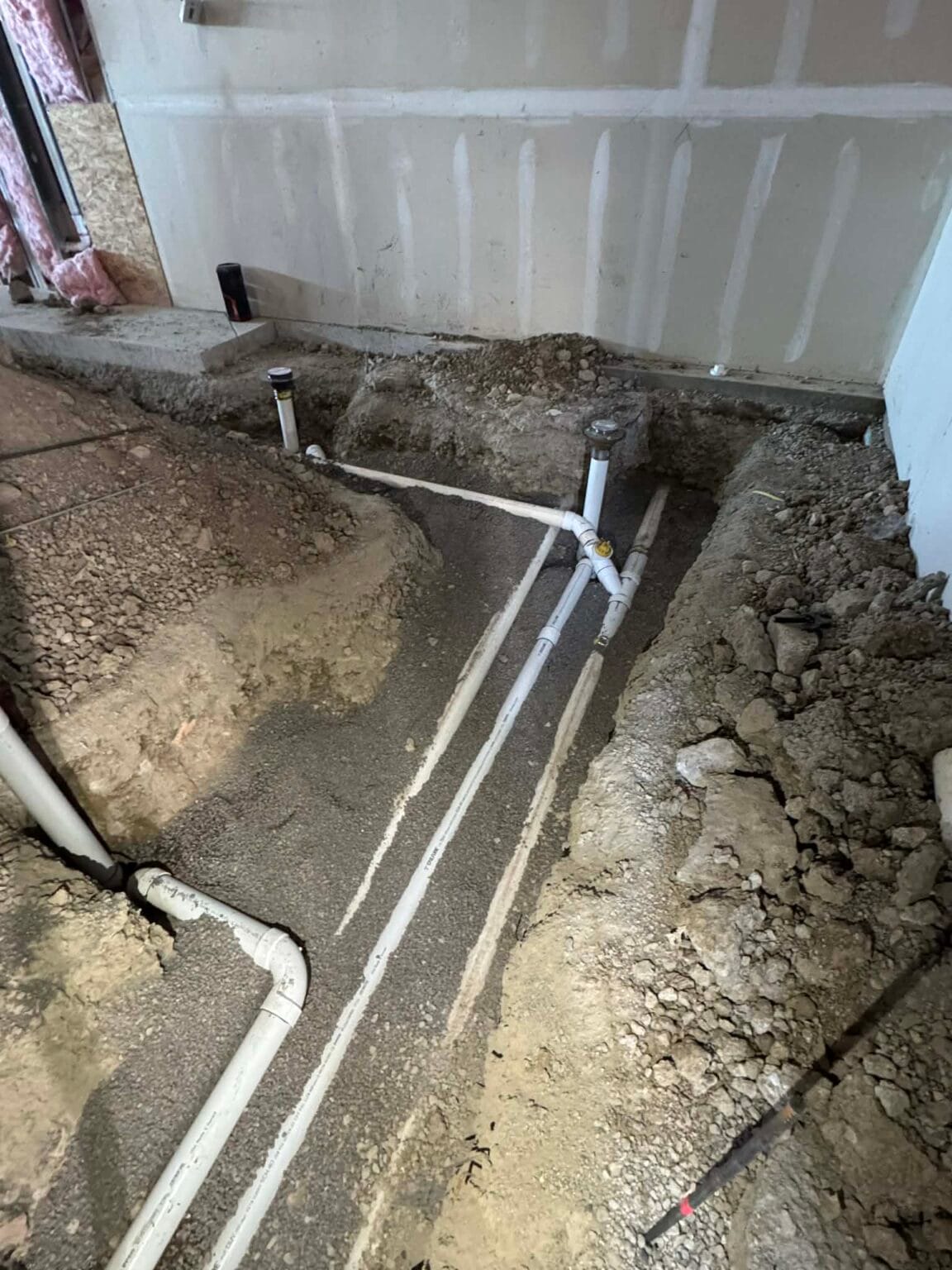
Denver Sewer Repair Permits: What Homeowners Need to Know Before Digging
If your sewer line needs to be dug up and repaired, there's paperwork involved — and in Denver, the permits you need depend mostly on where the damaged section is. Here's a plain-language overview so you know what to expect and what to ask your contractor.
Note: Permit rules and fees change. This is a general overview — always confirm current requirements with the City and County of Denver or your local building department.
When Is a Permit Needed?
Routine maintenance — clearing a clog, rodding the line, or a sewer camera inspection — generally doesn't require a permit. Permits come into play when the sewer line is excavated, repaired, or replaced.
Which Permits May Apply
| Where the work is | What's typically required |
|---|---|
| On private property (yard, driveway, under the home) | A plumbing permit and city inspection |
| In the public right-of-way (sidewalk, park strip, alley, street) | A separate right-of-way permit through Denver's Department of Transportation & Infrastructure (DOTI), in addition to the plumbing permit |
| Connections to the public sewer system | Additional wastewater review may apply |
Remember: in Denver, the homeowner generally owns the sewer line all the way to the city main — even the part under the street. So a repair near the curb can be your responsibility and require right-of-way permitting. (More: who pays for a broken sewer line in Denver.)
How to Prepare for a Sewer Repair
- Locate the defect precisely. Camera footage with distances and depth helps define the work area — and whether it's on private property or in the right-of-way.
- Confirm the permits. Ask your contractor which permits apply and who will pull them.
- Call 811. Colorado 811 must be notified before excavation so other utilities are marked.
- Plan for restoration. Yard, driveway, sidewalk, or pavement repair may be part of the job.
- Check your insurance. See what homeowners insurance covers.
Questions to Ask Any Sewer Contractor
- Can you show me the camera footage and where the defect is?
- Is the damaged section on my property or in the right-of-way?
- Which permits are included in your quote?
- Who handles inspections and 811 locates?
- What restoration is included?
Buying or Selling a Home?
Unpermitted sewer work can complicate a sale. If you're negotiating repairs after a sewer scope, ask for permit documentation — see how to handle sewer repairs in a home sale.
What a Typical Permitted Sewer Repair Looks Like
- Diagnosis: a camera inspection locates the defect, measures its distance, and estimates depth.
- Permitting: the contractor applies for the plumbing permit and, if the work reaches the public right-of-way, the right-of-way permit.
- Utility locates: Colorado 811 marks other buried utilities before digging.
- Repair: the damaged section is excavated and repaired or replaced to code.
- Inspection: the city inspects the work before backfill.
- Restoration: the yard, driveway, sidewalk, or street surface is restored.
- Final verification: a follow-up camera run confirms the line flows properly.
Keeping copies of your permit, inspection sign-off, and the final camera footage is smart — they're valuable records if you ever sell the home or need to file an insurance claim.
Serving Homeowners Across the Denver Metro
Imperial Plumbing LLC is based in Centennial and works across the Denver metro, including:
Frequently Asked Questions
Do I need a permit to repair my sewer line in Denver?
Generally, yes. Sewer line repair or replacement typically requires a plumbing permit and inspection. If the work extends into the sidewalk, park strip, alley, or street, a separate right-of-way permit is usually required as well.
Who pulls the permit — me or the contractor?
In most cases the licensed contractor performing the work pulls the required permits. Ask your contractor to confirm which permits apply and to provide permit numbers.
Does an emergency repair still need a permit?
Emergencies don't eliminate permit requirements. Contractors can often begin urgent work and obtain permits promptly, but they should follow the city's process for emergencies.
Do I need to call 811 before digging?
Yes. Colorado law requires notifying Colorado 811 before excavation so underground utilities can be marked. Your contractor should handle this before any digging begins.
Does sewer cleaning or a camera inspection need a permit?
Routine cleaning and camera inspections generally don't require a permit because no pipe is being repaired or replaced. Permits apply when the line is excavated, repaired, or replaced.
Keep Reading
 Who Pays for a Broken Sewer Line Under a Denver Street? City vs. HomeownerRead article →
 Does Homeowners Insurance Cover Sewer Line Replacement in Colorado?Read article →
 Sewer Scope Found a Problem? How to Get the Seller to Pay for Sewer RepairsRead article →
Book Your Plumbing Service Today
Tell us what's going on and our licensed Denver Metro plumbers will get back to you fast — usually within the hour.
- $79 In-Home Visit — Waived With Work
- Licensed & Insured · 20+ Years Experience
- Upfront, Transparent Pricing