
Does Homeowners Insurance Cover Sewer Line Replacement in Colorado?
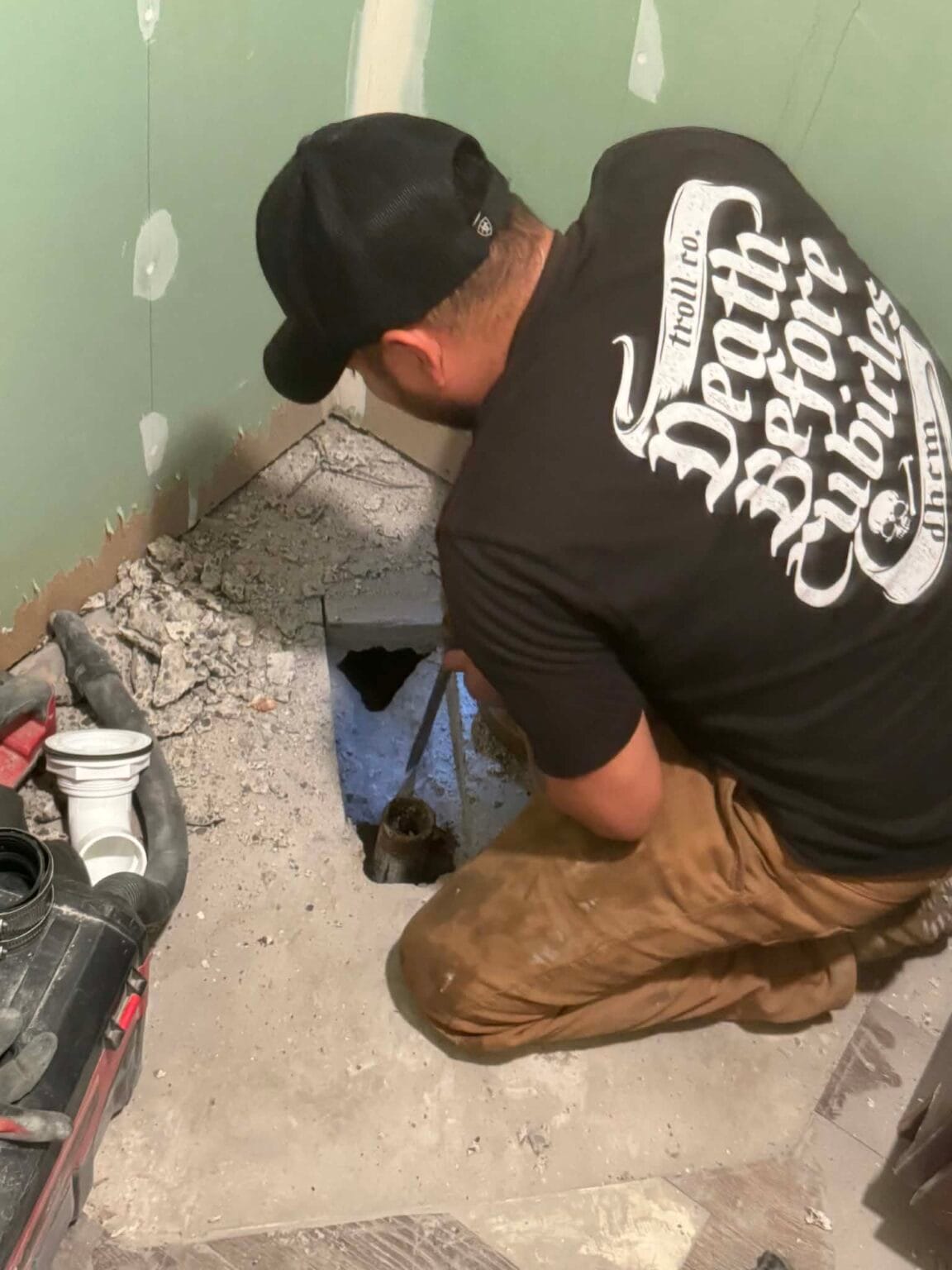
A failed sewer line is one of the most expensive surprises a homeowner can face, so it's natural to reach for your insurance policy. The honest answer for most Colorado homeowners: standard homeowners insurance usually does not cover sewer line replacement. But there are exceptions — and add-ons — worth understanding before you need them.
Your Sewer Line vs. the City's
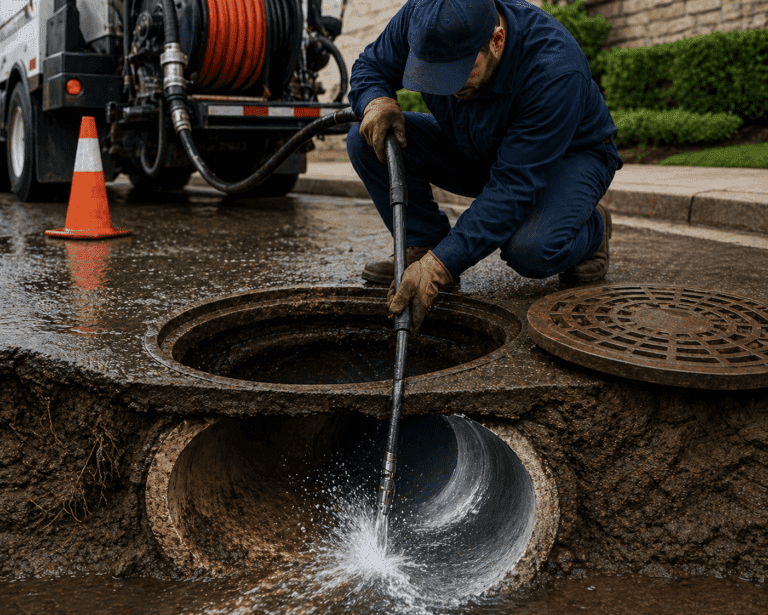
Your home connects to the public sewer main through a private service line. In Denver, the city maintains the public mains, while the homeowner is generally responsible for the service line — including the portion under the sidewalk or street. A failure on your side is your repair. (Full details: who pays for a broken sewer line in Denver.)
What Homeowners Insurance Usually Excludes
- Wear and tear — cracked clay, corroded cast iron, deformed Orangeburg pipe
- Tree root intrusion
- Settling, shifting, or soil movement — common with Colorado's expansive clay soils
- Lack of maintenance — buildup from grease, wipes, or debris
What Might Be Covered
- Sudden, accidental damage from a covered event, depending on your policy wording.
- Sewer/water backup coverage (add-on): pays for damage inside your home when sewage backs up — flooring, drywall, belongings — but not the pipe repair.
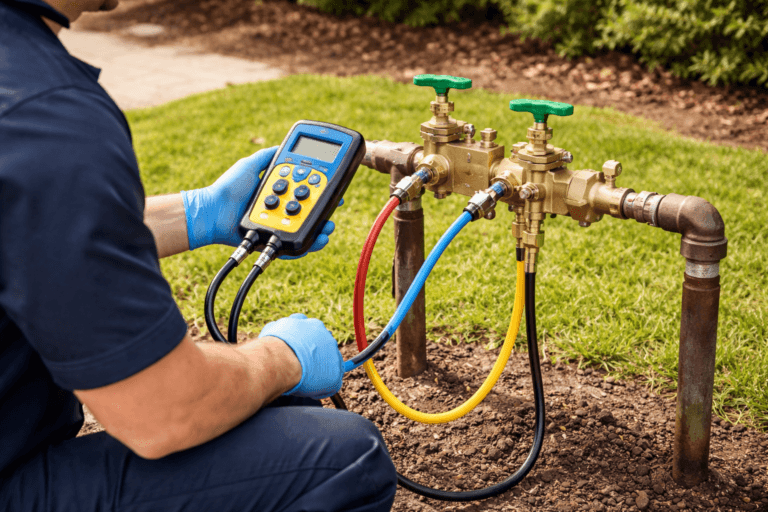
- Service line coverage (add-on): pays to repair or replace the buried line itself, often including excavation. Learn more in our service line coverage guide.
What Drives Sewer Line Repair Costs in Denver
| Factor | Why it matters |
|---|---|
| Depth of the pipe | Deeper lines need more excavation, shoring, and time |
| Length of damage | A spot repair costs far less than replacing the whole run |
| Location | Work under a sidewalk or street adds right-of-way permits, traffic control, and pavement restoration |
| Access | Driveways, trees, patios, and landscaping above the line add restoration work |
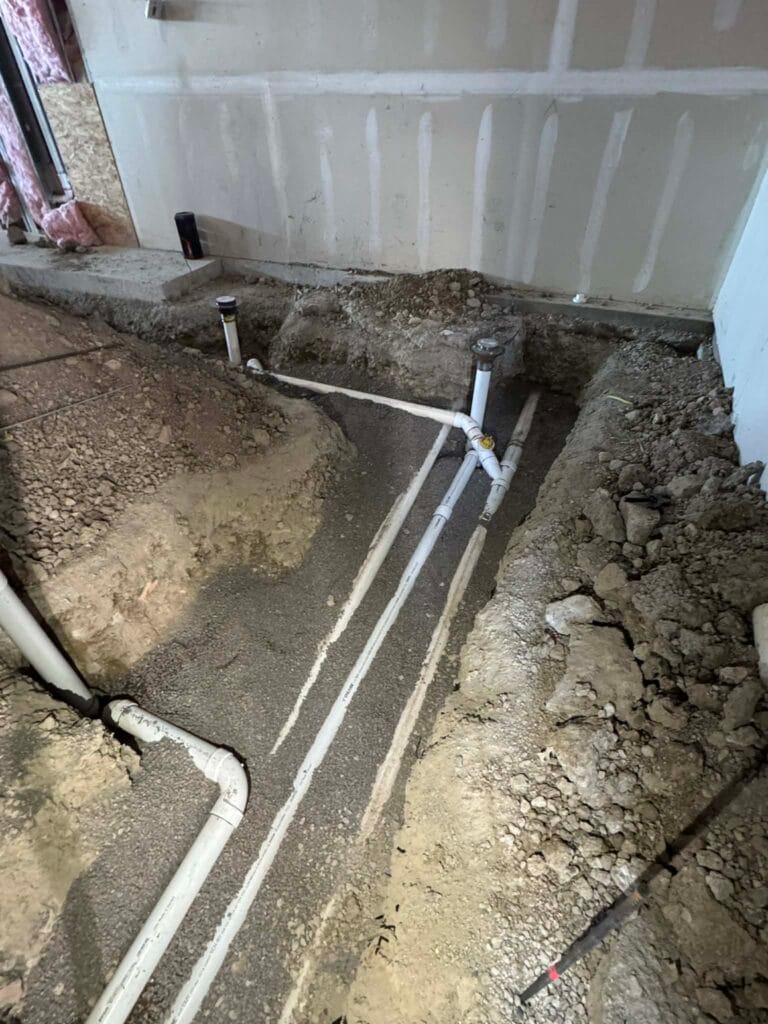
| Permits & inspections | Required for sewer repairs — see Denver sewer repair permits |
A small spot repair in a yard can run a few thousand dollars, while full replacements involving street work can reach five figures. That's why we always recommend confirming the problem on camera first.
How Homeowners Pay for Sewer Repairs
- Check for add-on coverage on your existing policy — service line or backup endorsements.
- Get the problem documented. A sewer camera inspection shows the defect, its location, and depth.
- Get more than one opinion on large quotes. Footage lets you compare apples to apples.
- Ask about financing from the contractor doing the repair.
How to Avoid an Expensive Surprise
- Schedule a camera inspection if your home is older or you have large trees near the line.
- Have roots and buildup cleared early — professional sewer rodding can restore flow before damage gets worse.
- Keep grease, wipes, and paper towels out of drains.
- Watch for the warning signs of a failing sewer line.
Filing a Claim: What Helps
- Call your insurer early — before major excavation, if possible — and ask what they need to see.
- Document everything. Photograph any damage inside the home and keep receipts for emergency cleanup.
- Get camera footage showing the defect, its location, and its cause. Insurers often decide coverage based on why the line failed.
- Request an itemized estimate that separates the pipe repair from restoration and permit costs.
- Keep the old pipe or photos of it if your adjuster asks for evidence.
Even when the pipe repair itself isn't covered, a backup endorsement may still cover cleanup and damage inside your home — so it's worth asking about both.
Serving Homeowners Across the Denver Metro
Imperial Plumbing LLC is based in Centennial and works across the Denver metro, including:
Frequently Asked Questions
Does homeowners insurance cover sewer line replacement?
Usually not when the cause is age, wear and tear, tree roots, or settling — the most common reasons sewer lines fail. Some policies cover sudden, accidental damage, and an optional service line endorsement can cover the repair itself.
Does insurance cover damage from a sewer backup inside my house?
Only if you have sewer or water backup coverage, which is usually an add-on. It pays for damage to your home and belongings, not for repairing the sewer pipe.
How much does sewer line replacement cost in Denver?
It depends mainly on length, depth, pipe access, and whether the work extends under a street. Small spot repairs can cost a few thousand dollars, while full replacements — especially with street work and permits — can reach five figures.
What documentation helps an insurance claim?
Camera inspection footage showing the defect and its location, photos of any damage, the date the problem started, and an itemized repair estimate. Contact your insurer before major work begins.
Can tree roots in my sewer line be fixed without replacing the pipe?
Often, yes. Roots can usually be cleared by rodding the line with a cable machine and root-cutting head. If the camera shows the pipe is still structurally sound, cleaning plus routine maintenance may be all you need.
Keep Reading
 Who Pays for a Broken Sewer Line Under a Denver Street? City vs. HomeownerRead article →
 Service Line Coverage in Colorado: What It Covers and Whether It's Worth ItRead article →
 Denver Sewer Repair Permits: What Homeowners Need to Know Before DiggingRead article →
Book Your Plumbing Service Today
Tell us what's going on and our licensed Denver Metro plumbers will get back to you fast — usually within the hour.
- $79 In-Home Visit — Waived With Work
- Licensed & Insured · 20+ Years Experience
- Upfront, Transparent Pricing