
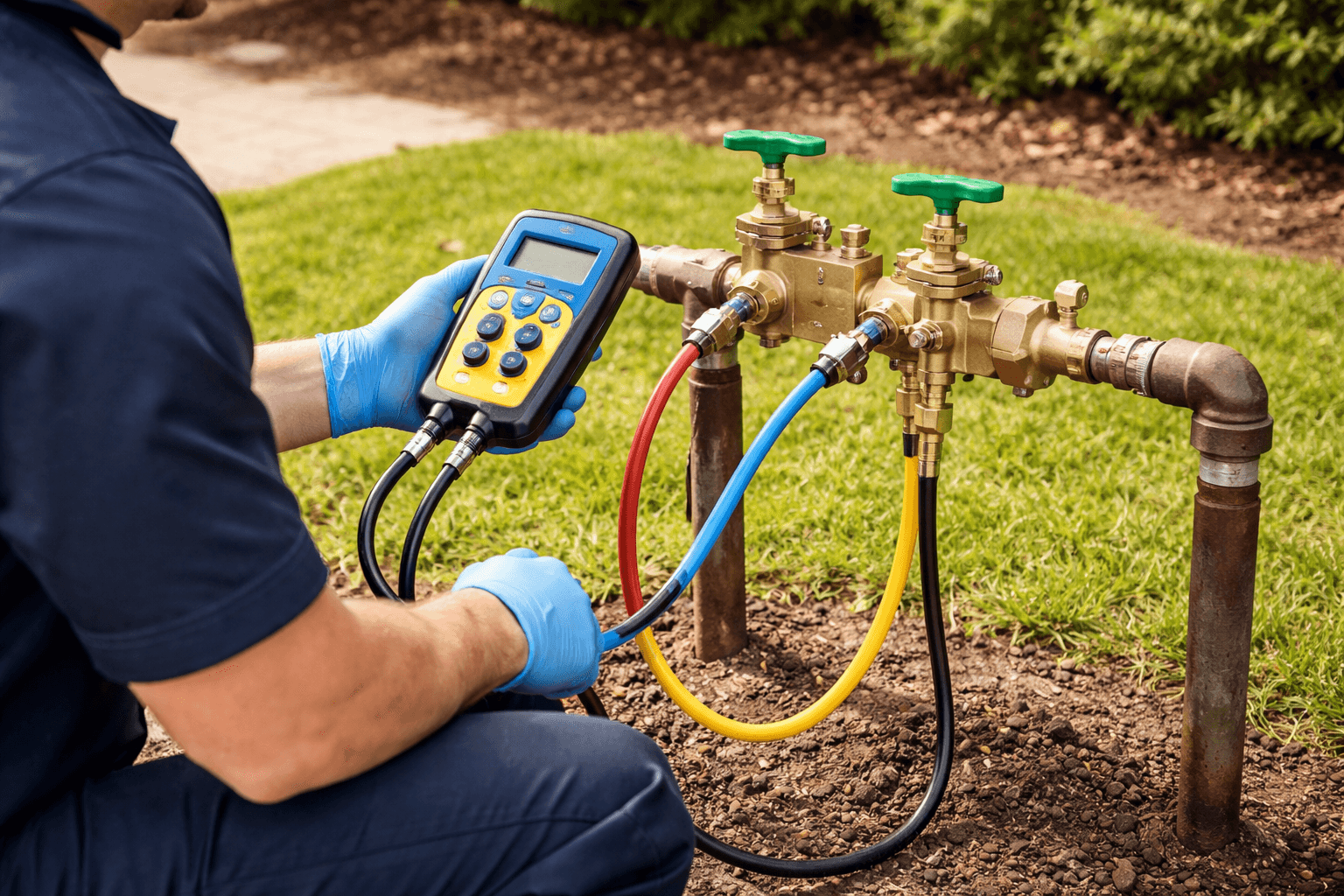
Service Line Coverage in Colorado: What It Covers and Whether It's Worth It
Most homeowners never think about the pipes buried between their house and the street — until one fails and they learn it's theirs to fix. Service line coverage is a low-cost add-on that can take much of the sting out of that moment. Here's how it works, and how to decide whether it's worth adding.
Which Underground Lines Do You Own?
In Denver and most of the surrounding metro, the property owner is generally responsible for the sewer service line from the house to the public main, including the section under the sidewalk or street. Water service lines follow similar ownership rules on the private side. When those lines crack, separate, or collapse, the repair bill lands on you. (More on this in who pays for a broken sewer line in Denver.)
Why Standard Homeowners Insurance Often Doesn't Help
A standard homeowners policy is built for sudden events like fire or wind. It commonly excludes the slow, everyday causes that actually take out sewer lines:
- Wear, tear, and age-related deterioration
- Tree root intrusion
- Settling and soil movement
That gap is exactly what service line coverage is designed to fill. See our guide to homeowners insurance and sewer lines for the full picture.
What Service Line Coverage Typically Includes
Terms vary by insurer, but a typical endorsement pays to repair or replace buried lines you own — often including:
- Sewer and septic laterals
- Water service lines
- Sometimes buried power, gas, or data lines on your property
- Excavation and site restoration — digging, backfill, and repairing landscaping or concrete
Coverage limits commonly fall in the five-figure range, with a modest deductible. Always confirm the limit, deductible, and exclusions with your agent.
Important difference: Sewer backup coverage pays for damage inside your home when sewage backs up. Service line coverage pays to fix the buried pipe. A single bad sewer event can involve both.
Cost vs. Risk: Is It Worth It?
| Service line coverage | No coverage | |
|---|---|---|
| Annual cost | Typically a small add-on — often tens of dollars a year | $0 |
| Sewer lateral failure | Repair paid up to your limit, minus deductible | You pay the full repair — often thousands, and more under a street |
| Excavation & restoration | Often included | Out of pocket |
It tends to make the most sense if you have an older home (clay, cast iron, or Orangeburg sewer pipe), large trees near the sewer line, or a long or deep lateral that runs under a street.
Tips Before You Buy
- Ask about waiting periods and pre-existing conditions. Most policies won't cover damage that existed before coverage started.
- Check the limit against real costs. A repair under a street costs more than one under a lawn.
- Confirm which lines are included — sewer only, or water and other utilities too.
- Know your line's condition. A sewer camera inspection shows pipe material, roots, and defects, so you know your real risk.
If You Already Have a Problem
Recognize the signs of a failing sewer line early. If drains are backing up now, call for emergency plumbing service — clearing a blockage quickly limits the damage inside your home.
Questions to Ask Your Insurance Agent
- Which buried lines are covered — sewer, water, gas, electric, data?
- What is the coverage limit per claim, and is there an annual cap?
- What is the deductible, and is it separate from my main policy deductible?
- Are excavation, permits, and restoring my lawn, driveway, or sidewalk included?
- Does coverage include the section of sewer line under the street?
- Is there a waiting period before I can file a claim?
Write the answers down and keep them with your policy documents. If a sewer problem ever appears, you'll know immediately what's covered and what documentation your insurer needs — usually camera footage and an itemized estimate.
Serving Homeowners Across the Denver Metro
Imperial Plumbing LLC is based in Centennial and works across the Denver metro, including:
Frequently Asked Questions
What does service line coverage cover?
It typically covers repair or replacement of the underground utility lines you own — such as your sewer lateral and water service line — when they fail from causes like wear and tear, tree roots, freezing, or collapse. Many policies also cover excavation and restoring your yard or driveway. Exact terms vary by insurer.
How much does service line coverage cost?
It's usually an inexpensive add-on to a homeowners policy, often in the range of tens of dollars per year. Ask your insurance agent for an exact quote and the coverage limit.
Is service line coverage the same as sewer backup coverage?
No. Sewer backup coverage pays for damage inside your home when sewage or water backs up. Service line coverage pays to repair the buried pipe itself. Many homeowners benefit from having both.
Will service line coverage pay for a problem I already have?
Usually not. Most policies exclude pre-existing damage and may have a waiting period. That's why it makes sense to add coverage before problems appear.
Is service line coverage the same as a home warranty?
No. A home warranty is a separate service contract that may or may not include underground lines. Service line coverage is an endorsement on your homeowners insurance policy.
Keep Reading
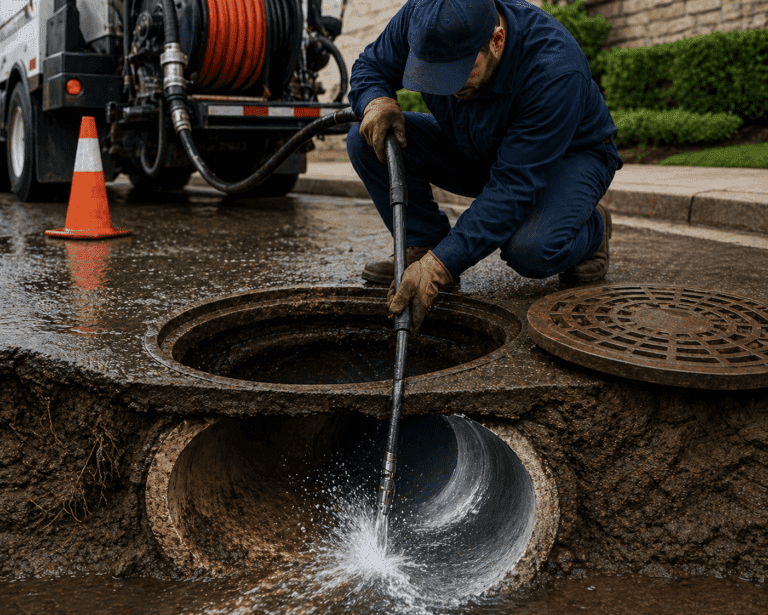 Who Pays for a Broken Sewer Line Under a Denver Street? City vs. HomeownerRead article →
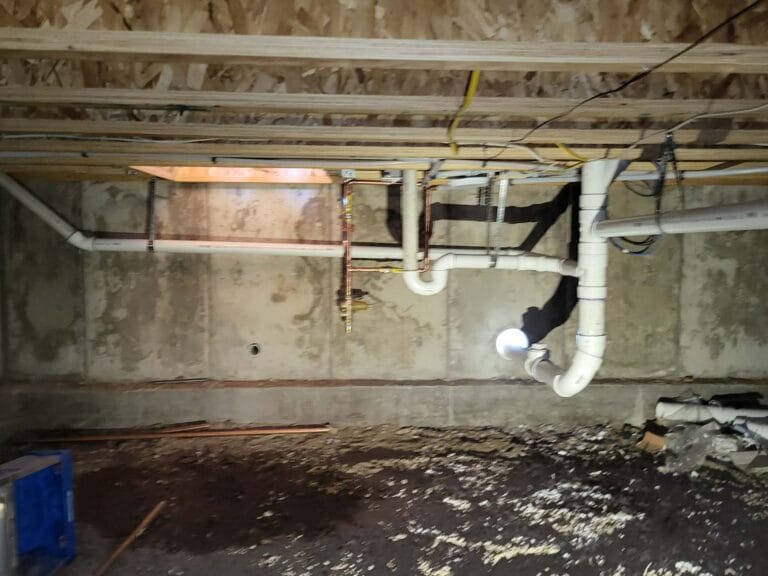 5 Signs Your Main Sewer Line Is Failing (and What Denver Homeowners Should Do)Read article →
 Does Homeowners Insurance Cover Sewer Line Replacement in Colorado?Read article →
Book Your Plumbing Service Today
Tell us what's going on and our licensed Denver Metro plumbers will get back to you fast — usually within the hour.
- $79 In-Home Visit — Waived With Work
- Licensed & Insured · 20+ Years Experience
- Upfront, Transparent Pricing